
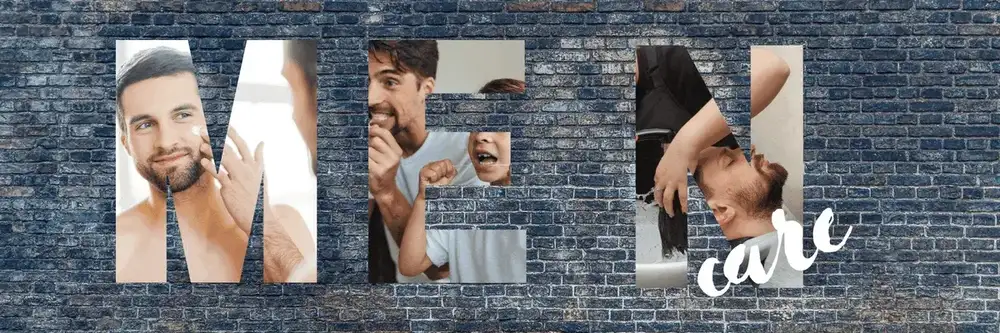
In this article: how beauty demos are breaking gender stereotypes in personal care - and the role demos play in breaking them at scale.
It’s high time we challenge the status quo where stereotypes often dictate what’s considered ‘masculine’ and what’s not, and celebrate the revolution happening in men’s skincare routines. The beauty category is finally building demos that break with old gendered framing and let every shopper see proof on their own skin.
No longer is it scandalous to witness men promoting skincare products, proudly displaying their improved skin after years of being told that using moisturizer or sunscreen wasn’t ‘manly’. It’s a breath of fresh air to see men encouraging and supporting each other on their skincare journey.
Today, approximately sixty percent of men acknowledge using 1-2 skincare products, a significant shift from a century ago when the mere thought of caring for ones skin sent men running in the opposite direction. Times have changed, and men are now more willing to protect their skin from concerns such as acne, sunspots, and wrinkles. It’s now all about grooming and skincare.
The desire for look good and have healthy skin is not exclusive to any gender. In a survey conducted by Dove to gauge men’s attitudes toward self-care, it was revealed that 35% of men expressed concerns about issues like under-eye circles, dull skin, and general skin impurities.
Keeping this in mind let’s have a look at how men approach their skincare routines:
When it comes to skincare routines, men have a range of approaches. Some opt for the simple and easy, while others embrace more extensive regimens.
The basic routine can look like anything but here is what we believe it is:
- Cleanser
- Toner
- Daytime Moisturizer
It’s THAT simple.
“But what do men do when they’re unsure about what skincare products to use or don’t know their skin type? How can they address specific skin concerns effectively?
That can be as easy as their skin routine. With the help of branded skin type testers, anyone can gain valuable insights into their skincare needs. But the question remains: which product should you purchase? The results from these testers can accurately recommend which product variant would work best for their skin.
See, it’s not quite quantum physics.
How brand teams can build inclusive demos
The practical move for brand teams is to audit your existing demo library through one simple lens: when you imagine the person performing the demo on camera, how narrow is the picture? If the answer is "always the same age, gender, or skin tone", the demos are quietly reinforcing the very stereotypes the brand is trying to move past. Inclusive demos are not a separate workstream, they are the same demos cast and shot across a much wider range of real people.
Operationally, this means three things in the next creator and sampling round: cast across skin tones and genders for the same demonstration, write the protocol so the demo works on any skin type without modification, and capture the "before" frame on a wide range of starting conditions so the comparison is honest. Brands that do this consistently build proof libraries that age well, because the imagery stays relevant as the category continues to broaden, instead of looking dated within a single planning cycle.
It is also worth checking the language in your demo scripts and on-pack messaging. Stereotypes often hide in small word choices, "for him", "for her", "anti-ageing", "manly fresh", that close down rather than open up the audience. A short language audit, ideally with input from people outside the brand team, surfaces those defaults and gives the brand a chance to retire them. Demos that work for everyone deserve scripts that speak to everyone, and the two changes reinforce each other across every channel.