
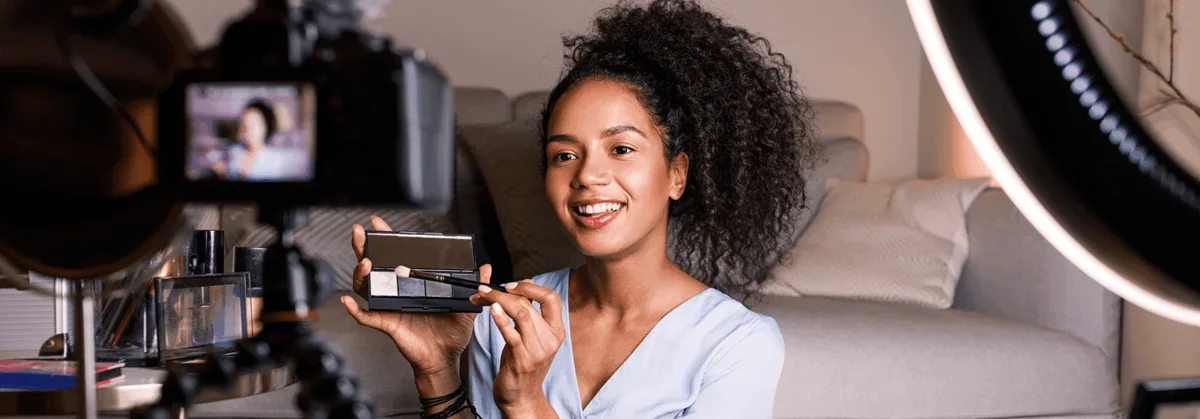
In this article: how to upgrade beauty product seeding from "send a sample" to a sensory demo experience that gives influencers something real to react to on camera.
Most beauty product seeding programmes still operate on a simple loop: ship a sample, hope for a post. The conversion from package to credible content is patchy because nothing in the box gives the creator a multi-sensory cue to react to. This piece is about a specific upgrade to that loop - building sensory product seeding kits for beauty creators - and why it consistently produces better, more authentic content than samples alone.
Increased brand awareness, better targeting and building genuine trust between a brand and it’s followers are just some of the advantages which lead to an increase in sales and, in the end, to an increase in profits.
The profit boost is, of course, the goal for every company. But let’s take a look at some concrete reasons that are leading to it: one of the most important facts is that sponsored posts on social media channels are not affected by ad-blocking technology. Furthermore, with the “right influencer” and “quality content”, that unwanted “just being an ad” feeling can be avoided. In contrast, social media posts can create genuine interest among the influencer’s followers. Besides that, many influencers have their blogs where they additionally mention brands or offer to make sponsored blog posts.
Another positive factor is better targeting in the sense that your influencer is followed because his or her fans have an interest in his advice. Following someone on social media is a choice that every user makes for himself/herself. This is in sharp contrast to those ever-annoying advertisements that pop up. A lot of the influencers are interested in building a real fan base, with a lasting relationship and are not always in it for the money. They want to gain the respect and love of their followers.
The question of all questions: How can you as a beauty company ensure “quality content”? To what extent can you as a marketing manager influence an influencer’s post?
Providing the product to be tested is not enough. The best way to guide influencers is to enable them to “experience” your products with all their senses. Influencers need to have an emotional interaction with the beauty brand and the product you ask them to test and promote. Emotions enable influencers to tell a compelling “true” story which creates authenticity, and emotional replies and interactions in return.
Speak to our experts to learn more about our tools that help differentiate you from the crowd…
How to lift the floor of your creator programme
The single biggest lever in most influencer programmes is not the creator selection, it is what you ask the creators to do on camera. Replace the generic "talk about the product" brief with a single, repeatable demo that gives the creator a concrete moment to film. The demo gives them something to point at, something to react to, and something to invite their audience to try, which is the structure that consistently drives saves, shares and purchase intent on platform.
Operationally, ship every creator a kit designed for their workflow, not yours: pre-measured doses, a built-in "before" reference, and a 90-second video showing the demo done well and one common failure mode. Pair this with a short approval window for the first piece of content, then trust the creator to iterate without further sign-off. Brands that move to this model usually see usable content from a much higher share of their roster, with a fraction of the back-and-forth on edits and approvals.
Finally, treat the best content from each campaign as an asset, not as a one-off post. The strongest demo videos from creator partners can be repurposed, with permission, into paid social, retail screens, sampling kits and training material. Brands that build this reuse loop into their creator contracts from the start get a multiple on every piece of content they fund, while keeping the original creator credited and compensated. Over a year, that compounding effect is often worth more than the original media spend on the campaigns themselves.