
Netflix doesn't explain how its recommendation algorithm works. It doesn't need to. You see the recommendations, understand the benefit and decide what works best for you.
Now think about how many OTC products are explained to consumers.
Histamine receptor antagonists. Anti-inflammatory pathways. Mucosal clearance. Mechanisms of action that fly over their heads.
The science is important. But does the consumer understand what any of it means?
OTC brands, more often than not, have a communication problem. They're explaining how a product works long before helping people understand why it matters.
Let’s consider an allergy product.
A consumer doesn't necessarily want a lesson in histamine receptors. They want to understand what's happening when they experience allergy symptoms, how the product helps and what they can reasonably expect from it.
Or let’s take pain relief.
The science behind how an active ingredient works may be well established. But a clear visual explanation of where it acts in the pain pathway can make that information far easier to understand.
Once HCPs and end users understand the mode of action, they have greater clarity on how the product works, more confidence in its benefits and a stronger reason to trust the brand. Over time, that understanding can help build lasting brand loyalty.
This is where OTC communication needs a rethink.
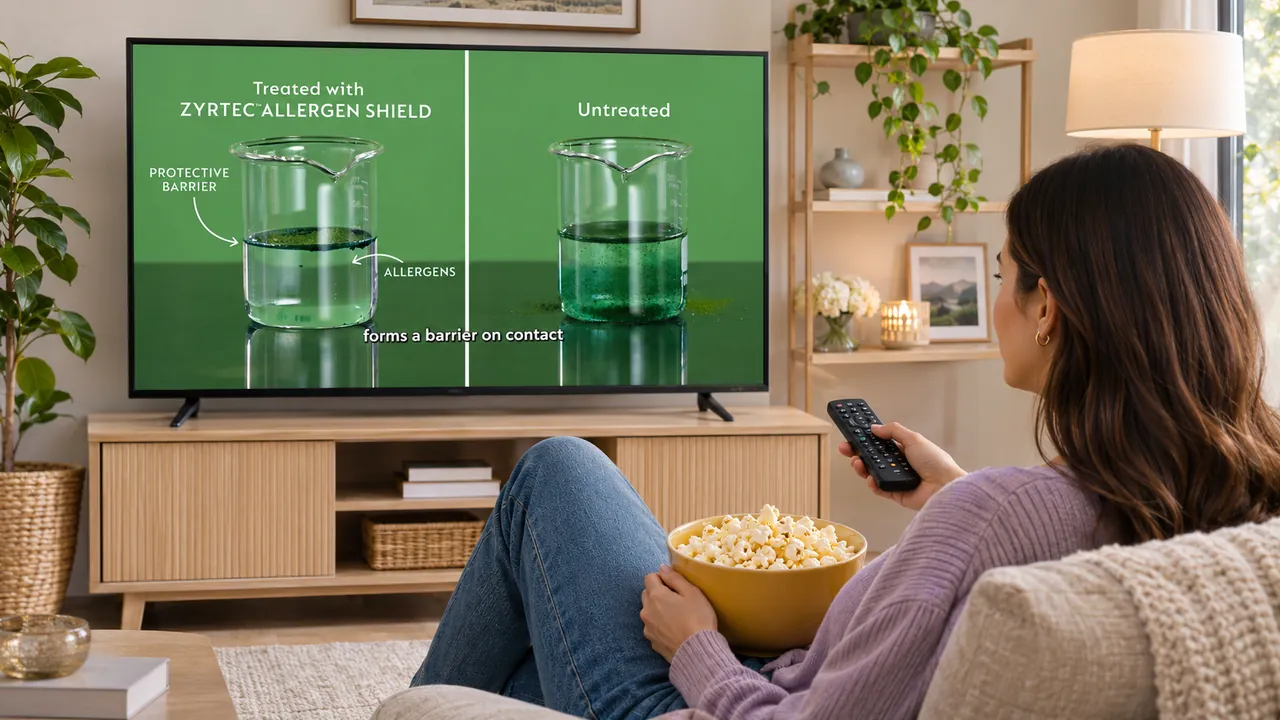
What if, instead of relying on technical descriptions, brands helped consumers see the science?
A visual demo could explain a mechanism of action, while an interactive experience could let someone explore how a product works. A simple physical or digital demonstration could turn an abstract scientific principle into something more memorable.
This isn't about replacing scientific information with entertainment. Nor is it about making complex mechanisms look simpler than they really are.
It's about making the science accessible without compromising its accuracy.
And it matters beyond the pack. The same explanation can support pharmacy education, digital campaigns, consumer engagement, healthcare professional communication and product launches.
The science behind OTC products deserves to be understood, not just communicated.
Your R&D team knows why the product works. Your consumer shouldn't have to take their word for it.