
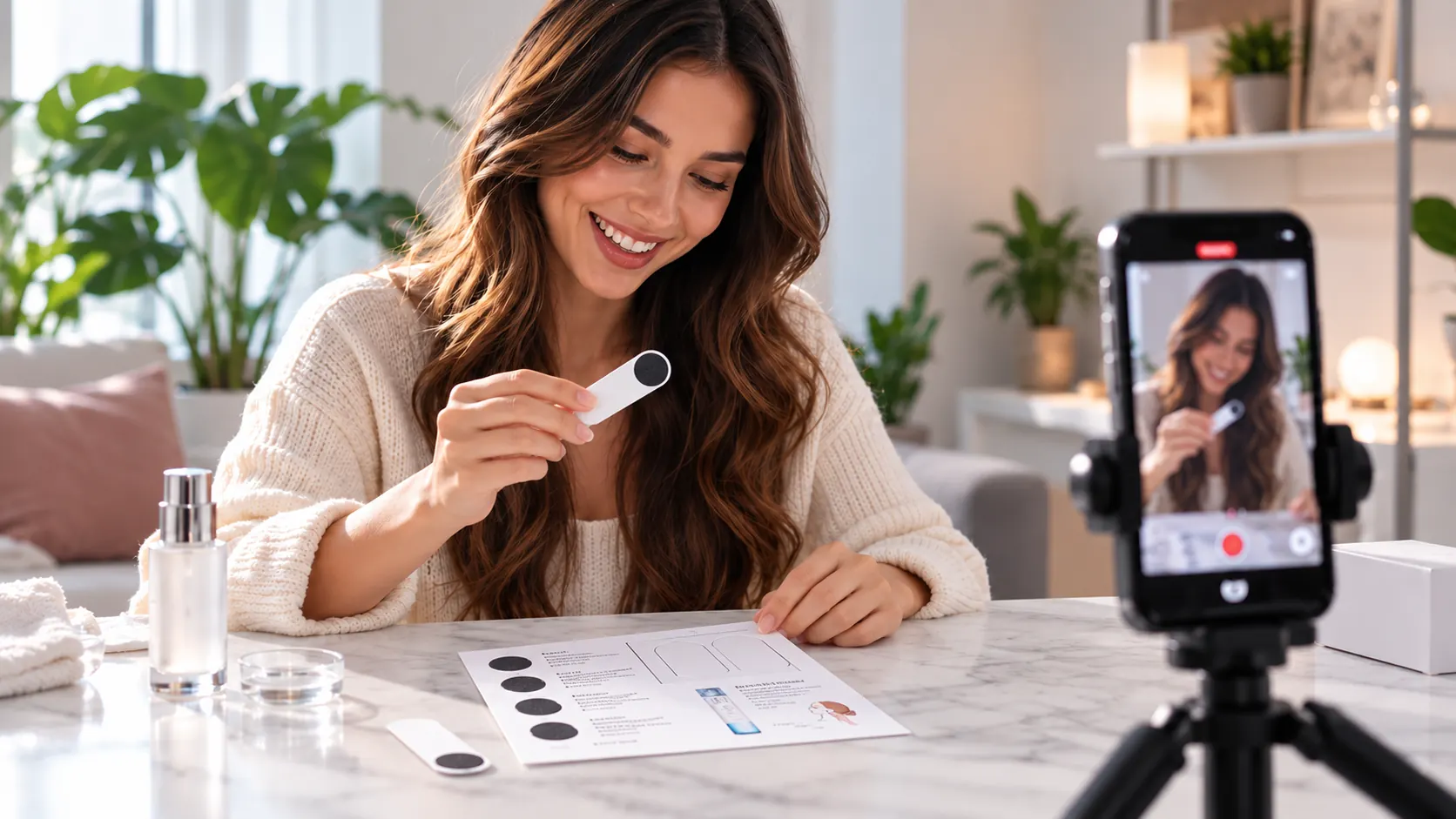
A product launch can have a brilliant formula, a polished campaign and a roster of influencers ready to post. And still, nobody has anything particularly interesting to say about the product.
That is an uncomfortable possibility for marketers. Especially when so much time and money have gone into making the launch visible.
But visibility and engagement are not the same thing. And engagement is not the same as giving people a reason to remember why the product is different.
The question isn't just how to get people talking about your product. It's what, exactly, gives them something worth talking about.
Another campaign won't necessarily solve the problem
Gen Z has grown up surrounded by brand content. They see sponsored posts, product reviews, tutorials, unboxings and endless claims about what a product can do.
A beautifully produced campaign can introduce a product. A creator can demonstrate it. Paid media can put it in front of millions of people.
But none of that automatically makes the product benefit meaningful.
Consider a new skincare product claiming to improve hydration. The campaign can explain the ingredients, the creator can describe how the product feels, and the packaging can repeat the claim.
But what if the consumer could explore their own skin, discover something about its hydration, or interact with an experience that makes the benefit easier to understand?
Now the product story has changed. The consumer isn't simply being told what the product does. They have something to discover.
The same principle applies to haircare. A claim about smoothness or conditioning becomes more interesting when people can experience or compare the difference, rather than simply hear that one product performs better.
The opportunity is to move from content that talks about a benefit to experiences that help people understand it.
Design the moment people will remember
Too often, the experience is considered after the campaign strategy is already in place
But what if the experience came first?
Before finalising the launch, ask three questions:
1. What can people discover?
A good experience reveals something interesting. It might help consumers understand their skin or hair, compare a product benefit, or discover how a formulation works. The discovery should be relevant to the product, not a gimmick designed to attract attention.
2. What can people do that they couldn't do before?
Can they test, compare, personalise or experience something for themselves? Participation gives consumers a role in the story. It can also create a more memorable interaction than another product claim on a screen.
3. What would make them want to tell someone else?
Not every experience needs to go viral. But it should offer a clear reason to talk about it: an unexpected discovery, a useful result, a surprising comparison or a genuinely engaging interaction.
The strongest experiences connect all three. They attract attention, make a product benefit easier to understand and give people a reason to remember it.
There is an important distinction here: an experience that generates attention but doesn't communicate the product benefit may create content without building product understanding. The experience needs to serve the product story, not distract from it.
One launch. More than one experience.
There is another challenge for global and regional brand teams. A product launch rarely speaks to just one audience.
Consumers need to understand the benefit. Retail teams need to explain it at the point of sale. Sales teams need to communicate product superiority. Creators need an engaging way to bring the story to life. Internal teams need a shared understanding of what makes the innovation different.
Creating every interaction from scratch can fragment the story. Relying on one campaign asset for every audience can make it feel generic.
This is where Omni Demo offers a different way to think about a launch: one product story, brought to life through different demonstrations for different audiences.
The consumer might experience the benefit hands-on. A creator might use the same core idea to make a compelling piece of content. A retail team might use a demonstration to explain the difference at the shelf.
The execution changes. The underlying product story remains consistent.
And that means the launch experience isn't confined to a single campaign moment. It can work across consumer engagement, retail, sales and creator activations.
Stop asking only what your campaign will say
Ask what consumers will actually experience.
What will they discover about the product? What will help them understand its benefit? What will make the difference feel real rather than simply sound convincing?
Because a launch shouldn't depend entirely on a brand telling people why a product matters.
Give people something meaningful to experience, and you give them something more valuable than another message. A reason to understand, remember and talk about the product. Give them a Demo.