
In this article: what omnichannel marketing actually means for skincare and beauty brands - beyond the buzzword - and where product demos fit in.
Embedded Vimeo video is blocked
It stays hidden until you accept embedded media cookies.
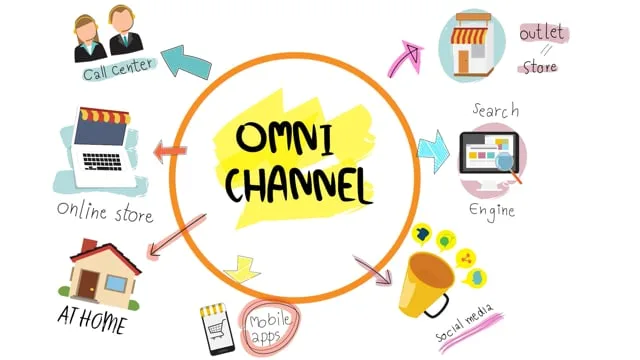
Omnichannel has been one of the most over-used words in marketing for the last decade. For skincare and beauty brands, the working definition we use at USP Demo Solutions is simple: an omnichannel strategy is one in which a consumer can move between social, e-commerce, retail and at-home use without losing the thread of the product story. Each touchpoint reinforces the others rather than competing with them.
Where most omnichannel programmes break
The break point is almost always between digital and physical. A brand will invest heavily in social and digital advertising, then arrive at retail with nothing more concrete than a shelf-talker. The consumer who watched a 30-second efficacy reel online has no way to confirm what she saw when she picks up the product in store. Trust leaks at exactly the point you wanted to convert.
Why demos are the omnichannel connective tissue
A well-designed demo can run as a 10-second video on TikTok, as a hands-on test at a beauty counter, as an at-home strip in a sample box and as an explainer module on a brand’s e-commerce page. The visual language stays the same across formats, so the consumer recognises the proof point wherever she meets it. That continuity is what turns “omnichannel” from a strategy slide into something a shopper actually feels.
Designing for omnichannel from day one
Building omnichannel into the brief means asking, for every demo concept, three questions: does it work on a phone screen, does it work in a shopper’s hand, and does it produce a result that photographs well in any lighting? When all three answers are yes, the demo can be deployed across the funnel without re-shooting or re-tooling.
For a deeper look at the same theme through the personal care lens, see personal interaction with consumers for beauty brands.
Omnichannel! One of the biggest marketing buzz terms in the last few years.How to make your omnichannel plan work harder
The fastest way to get more out of an omnichannel plan in skincare is to stop building channel-specific assets and start building one demo that is designed to flex across every channel. Pick the single most defensible claim on your hero SKU and commission one demo for it: a physical prop, a digital overlay, and a one-page training script. From that one investment, you should be able to run a counter activation, a creator brief, an Amazon livestream and an internal training in the same quarter without rebuilding anything.
The practical next step is to map your current channel calendar against your demo library. For each channel, mark whether the asset in play is shared with at least one other channel or unique to that one. Every "unique" entry is a candidate for consolidation. Brands that do this exercise usually find they can cut active asset count by a third without losing channel coverage, which frees budget and attention for the one or two demos that genuinely deserve to be hero-grade across the year.
One more habit pays back over time: keep a single, shared "channel readiness" checklist for every demo asset. The checklist names the version of the demo, the protocol, the props, the training script, and the regulatory boundaries for each channel. New campaigns then start from a known good baseline instead of rebuilding from scratch, and the omnichannel plan becomes genuinely repeatable rather than re-invented every quarter.
The wider opportunity is to stop measuring channels in isolation and start measuring the journey across them. A consumer who sees a creator demo, walks into store to feel the texture, and completes the purchase online is not three separate conversions, but one journey that the current measurement stack tends to fragment. Investing in basic cross-channel attribution, even at a directional level, often reveals that the demo asset is doing far more work than any single channel report credits it for, which usually shifts the budget conversation in its favour for the next planning cycle.